The Seychelles are considered one of the safest travel destinations in the Indian Ocean, known for their friendly people, relaxed atmosphere, and low crime rate. To help you enjoy your trip even more worry-free, here is some useful information about safety, behavioral recommendations, and important emergency contacts for medical facilities.
How Safe Are the Seychelles for Travelers?
The Seychelles are generally considered an extremely safe travel destination with a relaxed and welcoming atmosphere. However, as with many popular holiday spots, it’s advisable to keep an eye on personal belongings and follow some simple precautions—especially at busy beaches or in open-access accommodations. This ensures a carefree stay from start to finish.
General Safety Tips for Travelers:
Don’t leave bags or electronics unattended on the beach
Always lock doors and windows when leaving your accommodation to keep your belongings secure while exploring the island
Back up travel documents digitally: Having a copy of your passport, flight tickets, and insurance saved digitally (e.g., in the cloud or via email) can be very helpful in case of emergency
Beach and Water Safety
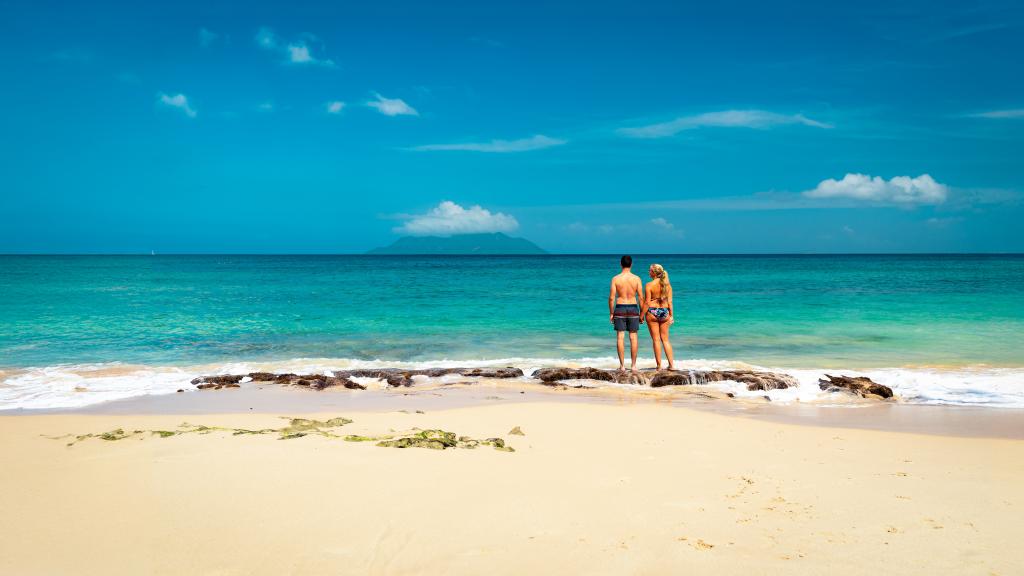
The beaches in the Seychelles are pristine and breathtakingly beautiful. Since there are usually no organized lifeguard services, it’s especially important to stay alert while swimming and snorkeling:
Currents: Dangerous currents may occasionally occur, especially on the southwest coast of Mahé (Anse Intendance) and the southeast side of La Digue (Grand Anse, Petit Anse). Always obey warning signs!
Never swim alone, especially during rough seas
Wear water shoes to avoid injuries from sea urchins or sharp rocks
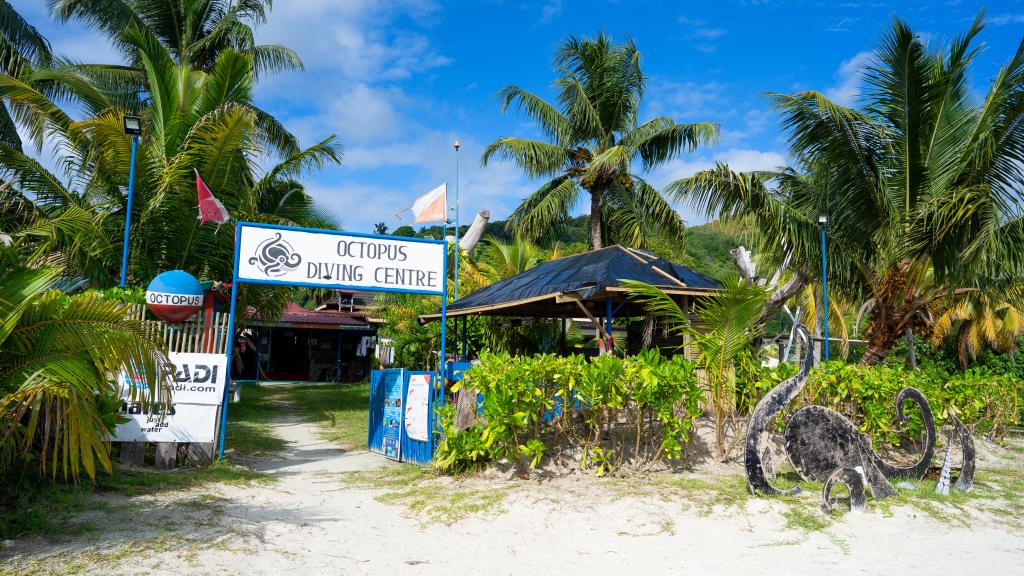
Only go on snorkeling and diving tours with certified operators
Hiking Safely in the Seychelles
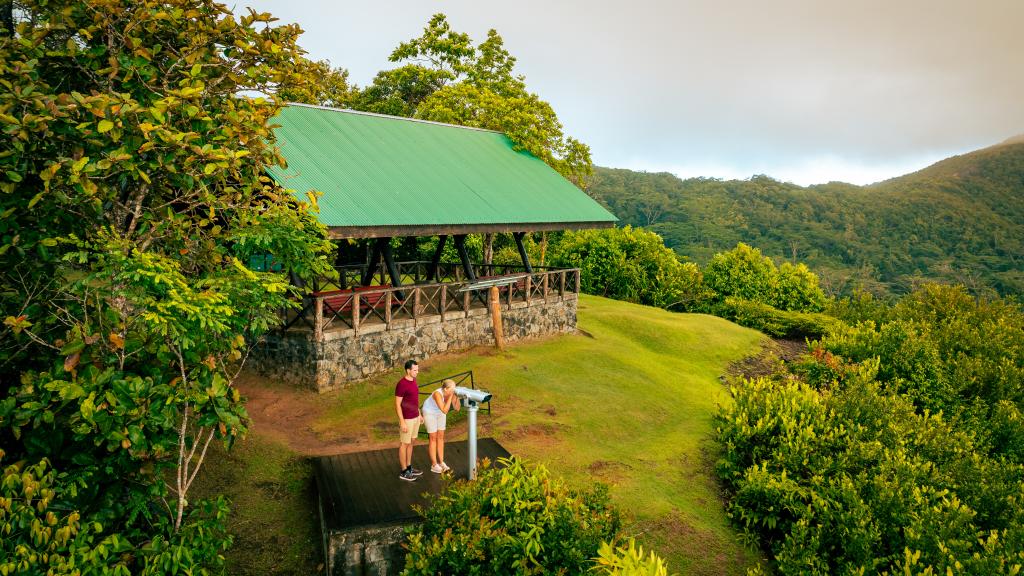
The Seychelles offer breathtaking hiking trails through stunning nature paths, rainforests, and granite formations. With good preparation, you can fully enjoy the islands’ natural beauty:
Start hikes early in the day to avoid the heat
Bring enough water and sun protection
Sturdy footwear is essential—many trails are rocky or slippery
Always stay on marked trails
For longer and more demanding hikes: inform your accommodation!
Some challenging hikes—such as the Trois Frères Trail on Mahé or the route to Anse Marron on La Digue—require a local guide, as these routes are not marked and can be very demanding. With a knowledgeable guide, the experience is both safe and relaxing.